
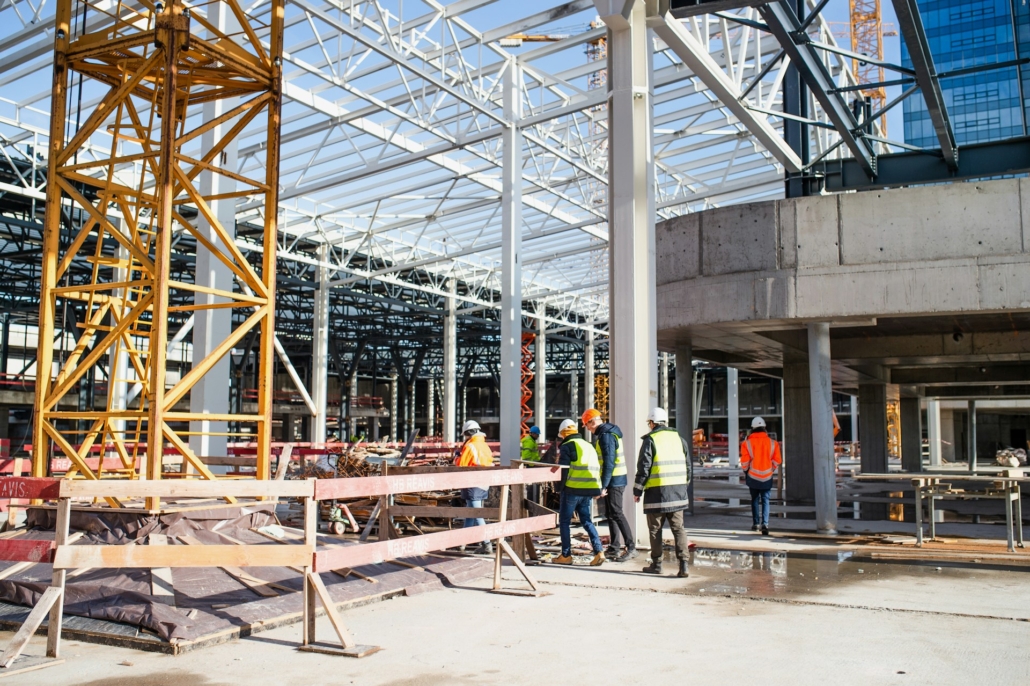
What to Expect from Commercial Builders in Brisbane
Commercial building work across Brisbane comes in all shapes and sizes, from small shopfronts and hospitality spaces to mid-rise office fit-outs. No two projects look alike because no two business needs are the same. That’s why working with Brisbane commercial builders who get how this city moves, builds, and plans can save time and stress across the whole process. Whether the job is sleek and modern or more about durability and flow, the right builder makes a lasting impact, not just on how the space looks, but how it works each day.
Knowing what to expect from start to finish gives you more control and fewer surprises. We’ve broken down the key stages and decisions business owners should understand before their first site meeting. From the size and shape of your project to council approvals and daily updates, every stage plays a role in getting things right.
Understanding the Scope of Commercial Projects
Commercial builds aren’t one-size-fits-all. Some projects are small and fast, like reworking the layout of a café or fitting out a shop front. Others require more planning and materials for things like clinics, gyms, or low-rise offices.
- Hospitality spaces usually need clever layouts for service flow and ventilation.
- Retail or boutique builds often focus on shopfront visibility and flexible shelving areas.
- Offices can need more structure planning for meeting rooms, wiring, lighting, and data cabling.
Some builders focus on a particular type, especially when a project calls for specific trades or industry knowledge. The intended use of the space shapes the design, the finish, and how long each stage might take. A takeaway store won’t call for the same schedule or materials as a physio clinic. We always plan with that in mind, so what gets built makes sense the moment the doors open.
It’s also common for business owners to have specific requirements that influence both the timeline and approach. For example, opening a gym means making sure the floor is strong and can handle heavy weights. In a retail space, bright lighting and visible entryways are a priority. Each commercial build is unique, and understanding these finer points early allows us to set expectations and avoid going back to rework sections later.
Planning and Council Approvals in Brisbane
In Brisbane, commercial building approvals vary not just by project type but by the area and council zoning. Starting the planning phase without a clear understanding of what’s allowed can lead to delays that stretch deliveries and frustrate tenants or cost more money down the line.
- Different suburbs may have overlays that affect height limits, block coverage, or parking.
- Flood-prone or character zones often bring extra limitations around access and appearance.
- Fire regulations, disability access, and signage all need to be approved before major work begins.
We expect approvals to take time and always add buffers into early planning to avoid rushing decisions. Brisbane commercial builders who understand these timelines usually avoid last-minute revisions. Planning laws are not hard to handle with the right groundwork, but ignoring them often sets the build back weeks.
During this phase, we also ensure that all necessary reports, drawings, and supporting documents are ready before submission. This helps reduce back-and-forth with council officers and makes the approval process smoother for everyone involved. Early engagement with authorities and neighbours is a smart move, too, since it helps spot potential roadblocks and plan alternative solutions in advance.
Communication and Collaboration On-Site
Commercial work means juggling more than just builders and tradies. There’s often an architect involved, along with engineers, surveyors, and sometimes even interior designers. At this scale, decisions rarely happen in isolation.
- We run regular site meetings so everyone stays across changes and timelines.
- We schedule check-ins with business owners to make sure the build still suits their use.
- Engineers or tradies often request real-time updates to avoid rework.
Staying in the loop means people can foresee problems early. It also helps others adjust their parts, like suppliers moving up delivery times or retail teams booking staff training to fit with handover. Good updates support good decisions. When things feel quiet during a build, it usually means someone isn’t sure what’s coming next.
Clear communication is not just about avoiding mistakes. It creates a smoother flow on site, keeps project goals in mind, and reduces misunderstandings between those working in different trades. By bringing issues forward early, the team can adapt before they become bigger problems.
Managing Build Timelines and Realistic Expectations
No build runs from start to finish without needing some flexibility. Even with strong planning and clear approvals, there’s always a chance of shift due to access clashes, supplier delays, or weather. Especially in Brisbane’s storm seasons, we keep one eye on the sky from March onwards.
- We set stage deadlines early for earthworks, framing, roofing, and fit-out.
- We identify access issues that might slow down material deliveries or remove waste.
- We always include time buffers when booking third-parties like installers or system testers.
The benefit of working with experienced builders is that timelines don’t slide without cause. We’re honest about what can and can’t be met. Sharing updates openly allows for better flexibility, whether that means changing a delivery date or bringing in extra crew.
Understanding how weather and access affect progress is important. Even a couple of days of rain can make a slab pour impossible, which then pushes out all following trades. Planning around peak periods for building materials also keeps the momentum up, especially when certain supplies run in short stock.
Since delays are sometimes inevitable, setting realistic handover dates and communicating clearly with everyone keeps expectations in check. These buffers help manage the stress and frustrations that would otherwise grow if plans didn’t match reality.
Durability, Safety, and Practical Design Features
Brisbane’s subtropical climate needs different building materials than cooler states. Heat, moisture, and long dry periods can all leave their mark if not planned for properly. Commercial foot traffic and safety expectations mean things have to wear well and meet code from day one.
- Moisture-resistant cladding, porous external finishes, and UV-friendly tinting are all standard decisions.
- Internal finishes should hold up under frequent use and won’t need constant repairs.
- Ventilation, lighting placement, and entry access should all match the day-to-day business use.
Safe design each day matters more than anything once the doors open to customers. This includes enough storage, good air flow, and logical layouts so that people and deliveries don’t cross paths in awkward corners. We always design for how people will actually use the space, not just how it looks when it’s clean and quiet.
Choosing durable materials and planning for high-traffic use means less ongoing maintenance. For example, using hard-wearing flooring in entry points, selecting easy-to-clean surfaces, and choosing fixtures designed for lots of use makes a clear difference over time.
Building Confidence in Your Project Outcome
Most commercial projects have a clear goal, open the doors on time with a space that fits the business now and doesn’t need constant fixes later. To make that happen, it takes more than tools and paperwork. It takes planning that adapts to the block it’s on, updates that make sense along the way, and timing that respects each person’s role.
We plan every job like we’ll be walking through the doors when it’s done. That means making choices that help Brisbane businesses open smoothly, run safely, and last longer in the heat, storms, and changes that come with working here. When we focus on communication and build around Brisbane’s pace and weather patterns, the whole project feels more manageable from day one.
Planning a commercial space in Brisbane means partnering with builders who guide your project from early approvals to final fit-out. We handle tight timeframes, challenging access, and unpredictable weather by keeping communication open and adapting our approach to what works best on site. With a hands-on focus, we make sure the layout, flow, and day-to-day functionality are as important as the design. For trusted Brisbane commercial builders who know how to bring your business space to life, contact Liona Constructions today.


Leave a Reply
Want to join the discussion?Feel free to contribute!