
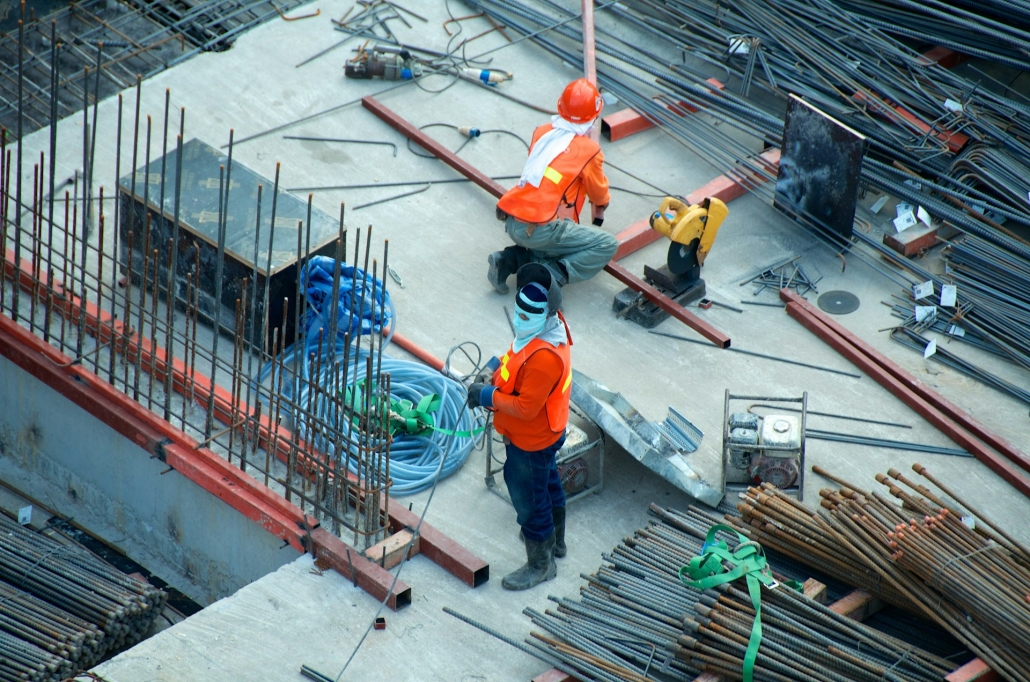
Understanding Commercial Construction Timeframes in Brisbane
Planning commercial construction in Brisbane takes more than a good design. We’ve seen how quickly timeframes can stretch out when early decisions don’t match real conditions. Sometimes it’s weather, sometimes it’s delayed permits, or a site that’s harder to access than expected. It can be tempting to work off templates or average timelines, but every job is different once you factor in local regulations, soil type, and wet season risks.
With summer just behind us and weather patterns still shifting, it’s a good time to talk about how timing affects commercial builds here. We’ve broken down the key areas that most often add days, weeks, or even months to a project. Knowing these from the start can help keep things moving and expectations realistic from day one.
Understanding Scope and Project Size
The size of the build can easily be one of the biggest time drivers. A simple single-storey retail shop moves much faster than a two-level office block with multiple tenants. Warehouses and light industrial builds come with their own timelines too.
- More floors mean more structure, more services, and more inspections
- Fit-outs for different uses take longer if tenants need extras like cold rooms, high power loads, or specialised plumbing
- Large builds call for more overlap between trades, which makes early schedule planning even more important
Sitting down early to talk about exact needs can make a big difference. When we fully understand how the building will function, where deliveries or people will enter, and what utilities are needed, we can plan for the right order of work. Rushing through this stage usually means adding time later on to fix or adjust something that wasn’t accounted for.
Site Conditions and Council Processes
Not every block in Brisbane is the same. A flat, open site is a much smoother start than one with steep gradients or poor access. Sloping land might need retaining or extra cut and fill work before foundations are touched. Tighter sites in built-up areas often need traffic control and staged deliveries to work within council rules.
- Soil types affect how we build the foundations
- Heavy clay or reactive soils may call for extra slab reinforcement or drainage layers
- Sites with limited access can stretch out timelines for material drops, cranes, or earthmoving
Planning approvals are another layer that often holds things up. Brisbane City Council needs to sign off on development applications, construction certificates, and plumbing approvals before a shovel goes in. These aren’t always fast-moving. Nearby properties, heritage listings, or flood zones can slow things down more. Talking early with the relevant certifiers helps flag red tape before it stalls progress.
Seasonal Timing and Brisbane’s Climate
Anyone who’s spent more than a year in Brisbane knows how quickly the weather turns. After January, we’re still in the back end of storm season, which means rain can come fast and hard, with little warning. That’s fine for some tasks, but not for anything involving concrete or exposed electrical.
- Slabs can’t be poured if water collects in formwork
- Wet weather can delay curing, especially if temps drop afterwards
- Storms tend to push council inspections out too, which can impact framing schedules
Planning a build without checking the season is asking for trouble. Late summer and autumn still bring unpredictable rain. We always factor in a few wet days to account for delay risks, especially early in the job when the site is most exposed. Once the structure goes up and roofing is sealed, things usually move with less impact from weather.
Contractor Coordination and Trade Availability
It doesn’t matter how solid the plan is if the trades don’t line up. Commercial construction in Brisbane needs plumbers, sparkies, steel fixers, and more to work in a tight flow so everything slots in when it should. One missed week from a key trade can pause everything else behind it.
- Poor scheduling leads to overlaps or idle time on site
- Material supply has been patchy in recent years, which adds another variable
- Local trades familiar with Brisbane layouts usually work faster and with fewer on-site adjustments
We try to engage long-standing trade partners early, so they’ve got the dates locked in well before slabs are poured. Communication between foremen, site supervisors, and subcontractors is just as important. It helps pick up on tools or supplies that might be missing before they cause a delay.
Planning for Flexibility and Contingency
Anyone who’s worked on sites knows unexpected stuff happens. Trucks show up late. Inspectors are overbooked. Weather turns overnight. Good builds have some give in them, so these bumps don’t throw off the whole job.
- Buffer time helps keep small problems from becoming major timeline shifts
- Flexibility in finish order allows some work to continue while other stages pause
- Having regular updates helps us tweak the plan as needed without starting from scratch
Holding to the schedule is easier when it’s realistic in the first place. We don’t front-load dates just because it looks good on paper. We leave time for surprises, because they’ll come, and keep talking with suppliers and clients to stay on top of progress and changes.
Building with Better Timing in Mind
We’ve built through wet, dry, still, and stormy seasons in Brisbane. What works best is being smart with timing, honest with scope, and clear on where things could slow down. Trying to rush past the known slow spots only creates more loss in the end.
At Liona Constructions, our commercial projects are managed from full design and council approvals through to handover, ensuring every detail matches operational needs. We work across a range of builds, including retail spaces, offices, and warehouses, tailoring plans to unique Brisbane site conditions and requirements. Our detailed planning means subcontractors, materials, and workflow are coordinated, so project milestones are met and costly delays are avoided.
As long as there’s a solid understanding of the approvals, weather, and workflow ahead, commercial builds can run smoother than most expect. A big part of that is knowing the local pace and planning with it, not against it. When jobs are timed well, they finish better, and that’s something everyone wants.
At Liona Constructions, we understand that project timelines can quickly shift without the right groundwork in place. That’s why we dedicate time to plan thoroughly, considering the unique demands of the Brisbane climate, council requirements, and specific site conditions. There’s no guesswork, just effective timing and clear sequencing. From warehouses in the suburbs to mixed-use spaces near the city, our builds stay on track because our schedules work with the job, not against it. Ready to avoid common delays and keep your plans moving? Let’s discuss how we approach commercial construction in Brisbane and help get your project underway with confidence.


Leave a Reply
Want to join the discussion?Feel free to contribute!