
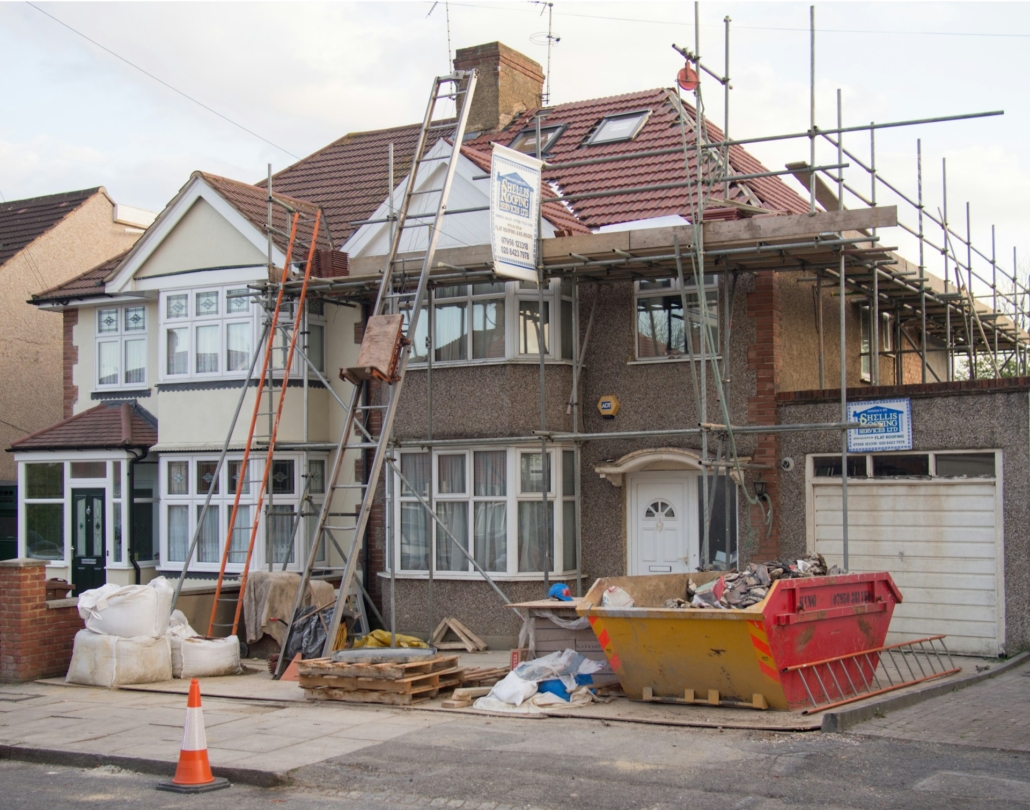
Understanding the Rebuild Process for Brisbane Properties
For many homeowners in Brisbane, rebuilding is the better path when an older house starts feeling like it’s not worth fixing. Whether it’s a layout that doesn’t work anymore or underlying wear that’s too costly to repair, starting fresh can make life easier in the long run. A rebuild offers a clean slate without needing to leave a spot you love.
Choosing to rebuild in Brisbane comes with its own steps and details that are different from building on a vacant block. The right approach helps avoid delays, keeps costs in check, and means the final home actually fits the land and lifestyle.
Knowing When a Rebuild Is the Right Call
It’s not always clear when a rebuild makes more sense than a renovation, but there are a few signs that often point toward starting over.
- The house structure has aged well past its use-by date, and repairs only go so far.
- The layout is stuck in the past and doesn’t suit modern needs, even with changes.
- The house sits on land where zoning allows for better use of the block than before.
Rebuilds often become the better option when renovating means you still end up with compromises. In older parts of Brisbane, we regularly see homes where updating one room reveals deeper issues in others. At that point, the cost of piecemeal upgrades can rival a complete knock down. Local council rules, bushfire zoning, or heritage overlays may also tilt the decision since some regulations tightly control what can and can’t be changed in existing homes.
The Early Planning Phase
Before anything can be designed or demolished, we need to understand the block in fine detail. Not all land works the same way, and Brisbane has plenty of hilly spots, narrow streets, and zones that flood.
- Site checks and soil reports show what the land can support.
- Property surveys define the boundaries and help avoid permit delays.
- Overlays (like heritage zones or flood-prone areas) affect what can be built and where.
These early steps don’t just tick boxes. They help shape the design from the start instead of making changes later, which can cost both time and money. Strong planning at this stage avoids back-and-forth with council and keeps the project moving when approvals are ready.
Designing a Home to Suit Your Block and Lifestyle
Rather than forcing an old layout to work, a new design lets the home match how you plan to actually live in it. Good design is more than ticking off room sizes. It’s about noticing where light will be in winter, where you’ll want breeze in summer, and how you’re going to use the outdoor space year-round.
- Designs should respond to the block’s direction, slope, and views.
- Council guidelines will shape the form and height, so we work with them, not against them.
- Layout choices should grow with your household, not lock you in.
Whether it’s making room for future changes or zoning quiet or busy areas of the house, flexibility matters more than perfection. Making those choices now saves having to patch or refit things later.
Demolition and Council Approval Considerations
Knocking down a home isn’t as simple as picking a date and watching it go down. Preparation matters, both for safety and smoother council approvals.
- Before demolition, asbestos checks and safe removal are often required.
- A demolition permit is needed from council, with added steps if the home has heritage protection.
- Blocking off part of the street or managing waste might need extra council approval.
On top of that, neighbours must often be informed ahead of time, and services like power and water may need to be disconnected professionally. All of this plays into the schedule and affects when new work can begin. Factoring in these steps keeps the rebuild moving without unexpected stoppages.
Building the New Home
Once the old house is gone and permits are in hand, construction begins in full. This part feels familiar to most people, but rebuilds often move differently than new builds on vacant land.
- Starting from bare earth, we pour the slab and frame the structure.
- Roofing, cladding, windows, and internal rough-ins shape the home’s form and function.
- Final stages include internal lining, fittings, and flooring.
Brisbane’s weather, especially in autumn, plays a big part in how long each phase takes. Wet weeks can delay slabs or cladding. Deliveries might stretch if roads are hard to access. Throughout the process, regular site inspections help keep the build accountable. Stages such as frame, waterproofing, and final handover often involve both council and independent reviews to make sure everything measures up.
Rebuilding with Clarity and Confidence
Rebuilding a home lets us fix more than old cracks and faded paint. It’s about setting up a house that works long into the future. That’s hard to achieve when the original structure holds limits that can’t be shifted.
Having a clear plan and a full view of the process cuts down on expensive surprises. It also helps reduce stress when stages take longer or council asks for more paperwork. While every rebuild has its own twists, many homeowners in Brisbane walk away with a house that suits their life far better than before and keeps working for the block it’s built on.
At Liona Constructions, we understand that starting fresh in a new home is a big decision, especially when your current house holds so many memories. Brisbane properties have their own unique set of regulations, site conditions, and lifestyle requirements, so having your rebuild in Brisbane handled right from day one is important. Let’s chat about how we can help you make the most of your block and guide you confidently through every step of the process.


Leave a Reply
Want to join the discussion?Feel free to contribute!