
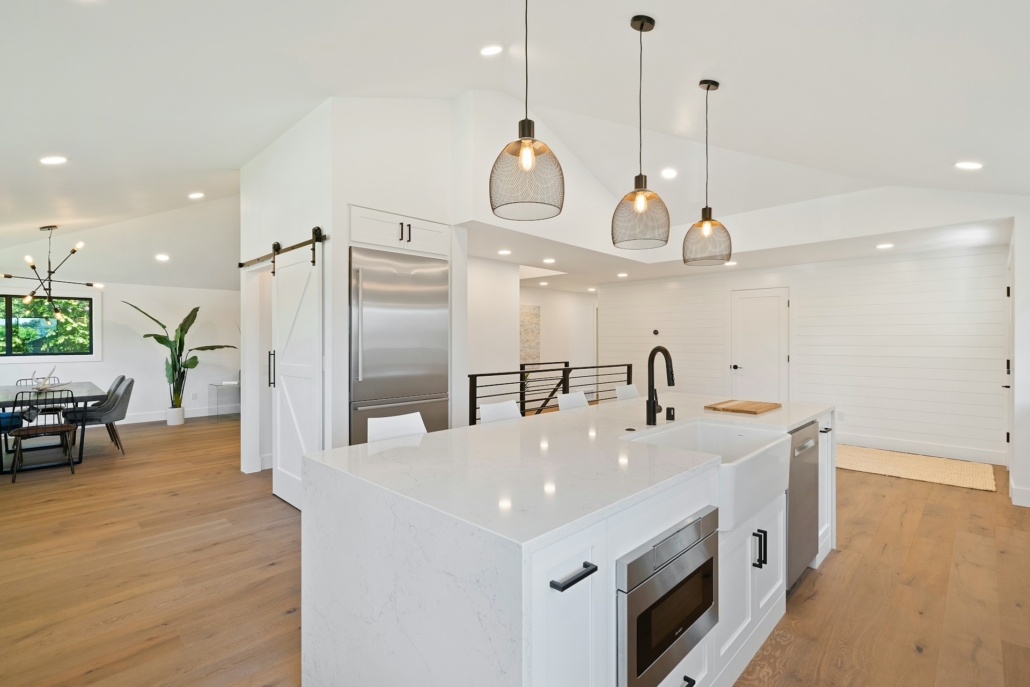
Design Tips for Increasing Light in Home Renovations
Natural light does more than brighten a room. It changes how we feel inside a home. When the sun is lower in the sky during cooler months in Brisbane, it’s easy for rooms to feel a bit dull or dim, especially if windows are small or oddly placed. That often leaves people wondering how to make their homes feel more open without needing major structural change.
Many people looking into a home renovation in Brisbane ask about ways to bring more light into darker corners. The good news is, we don’t always need giant windows to make a difference. Layouts, finishes, and thoughtful design choices can do a lot of heavy lifting.
Choosing the Right Layout for More Light
We often look at how the layout carries light from one space to another. Older homes can sometimes feel chopped up, where certain rooms get plenty of natural light while others feel boxed in. One of the easiest ways to boost light is to change how rooms connect.
- Removing or reshaping a wall between a kitchen and living area lets light flow through both
- Changing the way a hallway or corridor turns can remove dark spots, especially at entryways
- Swapping solid doors for glazed or open-frame styles keeps personal space but shares light
Small layout changes can create noticeable results. That might mean rerouting walkways so furniture doesn’t block windows or changing where doors open to make the most of the light that’s already there. It helps to work with someone who understands how Brisbane homes sit with the sun across different seasons. That way, layout changes aren’t just practical, they’re seasonal too.
Finding Spots for Bigger or Better Windows
The spots you choose for larger windows matter just as much as their size. Some areas, like north-facing living rooms or stairwells, make the best use of light throughout the day. Adding bigger panes, more glazing, or window seats in those areas can shift the feel of the whole house.
- Stair landings, high corridor walls, or nook areas are great for tall narrow windows
- Living rooms and dining spaces connect well with wide sliding glass or bifold doors
- Bathrooms or bedrooms under privacy constraints can use frosted glass or clerestory windows
Of course, Brisbane’s bushfire zones and close-set homes in some suburbs mean we have to think about safety and privacy. That does not mean natural light is off the table. Glazing upgrades, smart tinting, and careful placement keep everything safe and let light in where it counts. Using glass doors between spaces, like between a kitchen and back patio, brings in light from both sides and creates a stronger connection between indoors and out.
Picking Colours and Surfaces That Reflect Light
We often get asked whether paint colour alone can brighten a space. It certainly helps, but it works best combined with the right textures and finishes.
- Light greys, soft whites, and earthy tones reflect daylight without overwhelming the room
- Timber floorboards with matte finishes reflect nicely and are easier on the eyes than high gloss
- Cabinets and benches with a soft satin or eggshell finish strike a good balance between sheen and glare
Even small details make a difference. Painted ceilings that are just a shade lighter than the walls can lift the space visually. The same goes for tiles and joinery, lighter shades create more bounce, especially when part of a bigger room plan that already makes use of well-placed light sources.
Ceilings are sometimes overlooked, but they do contribute to how light moves. Textured or dark surfaces above can pull the space down. A simple repaint or finish change here can shift the whole atmosphere without any heavy work.
Clever Skylight and Lighting Additions
Where wall windows won’t work, we look up. Skylights are a firm favourite, especially for bathrooms, kitchens, and hallways that don’t share walls with outside spaces. In Brisbane, many homes have rooflines allowing for skylights or solar tubes without major changes.
- A properly placed skylight in a hallway changes how connected the space feels to the rest of the home
- Solar tubes are great for smaller rooms or places where full skylights can’t be installed
- Position skylights to avoid peak afternoon heat, using shades or diffusers where needed
Artificial lighting plays a role too. We aim for contrast that supports, not overwhelms, the natural brightness. Placing soft uplights in corners and switching overheads to warmer LEDs helps make mornings feel brighter and evenings more relaxing.
Don’t overlook smaller spots, wardrobes, pantries, and corners of laundry rooms often benefit from subtle lighting to make the spaces more usable without needing full rewiring. A bit of extra light in these daily-use areas goes a long way and stops them from feeling like afterthoughts.
Making Practical Changes for a Brighter Home
When we combine the right elements, like a layout that shares sun across rooms, materials that bounce light gently, and lighting choices that support it all, the whole home shifts. It doesn’t need to be a huge renovation. Careful changes in the right places make a home feel bigger, brighter, and more relaxed to live in.
With any home renovation in Brisbane, reviewing how the light enters and where it fades throughout the day helps shape the results. A smart plan works with the home’s natural layout, not against it. Making dark spaces lighter isn’t about spending more. It’s about thoughtful planning at the start.
At Liona Constructions, we believe the best design work begins with knowing how light transforms the feel of your home each day. Updating floorplans, selecting improved finishes, or introducing smarter window solutions all play a part in creating inviting spaces. Planning a home renovation in Brisbane starts with noticing how sunlight moves through your rooms and identifying where thoughtful changes offer the greatest impact. Let’s chat about how to brighten your home with a renovation plan designed for your lifestyle. Start your next chapter with us.


Leave a Reply
Want to join the discussion?Feel free to contribute!